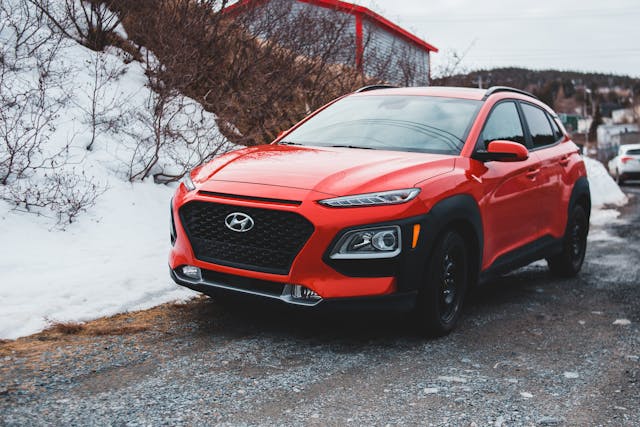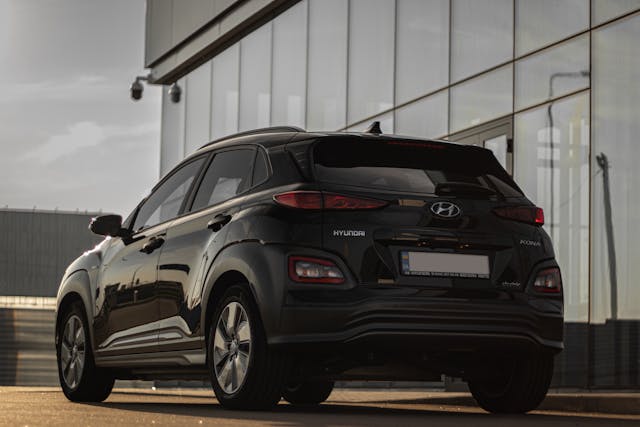

The Hyundai Creta has been India’s best-selling mid-size SUV for nine consecutive years, according to Hyundai India’s official sales data — a number that tells you just how dominant it is in the ₹10–20 lakh bracket. But with the second-generation Hyundai Venue arriving in November 2025 at a starting price of ₹7.90 lakh, the younger sibling is now genuinely capable of making you second-guess the bigger buy.
This article breaks down the Hyundai Venue vs Creta comparison across every dimension that actually matters to a real buyer: price, cabin space, engine performance, features, and long-term running costs. If you are shopping in the ₹8–15 lakh range and stuck between these two Hyundai SUVs, this is the comparison you need before stepping into a showroom.
Most Venue vs Creta articles stop at a spec sheet. This one goes further — covering the ownership angle, the hidden cost difference between variants, and exactly who should choose which car. We have also sourced real pricing and specification data from Hyundai India and CarWale so every number here is verified, not estimated.
Hyundai Venue vs Creta: Price and Value Overlap
The Venue starts at ₹7.90 lakh (ex-showroom) and tops out near ₹15.64 lakh for the Knight Edition diesel automatic. The Creta starts at ₹10.79 lakh and climbs to ₹20.20 lakh for the King Knight Diesel AT with a panoramic dual-tone roof. On paper, these are two different segments. In practice, there is considerable overlap.
A mid-spec Venue HX 7 turbo-petrol DCT will cost you approximately ₹13–14 lakh on-road. A base Creta E petrol manual will land at roughly similar money, depending on your city. If you check the Hyundai Creta on-road prices across Indian cities, you will notice that registration and insurance costs vary significantly, which can push the effective gap between equivalent Venue and Creta variants to well under ₹1.5 lakh in some states.
That overlap zone is where the real buying decision happens. At comparable money, you are choosing between a smaller, feature-loaded sub-4-metre SUV and a larger mid-size SUV with a bigger engine but fewer features per rupee at the base level.
| Specification | Hyundai Venue 2025 | Hyundai Creta 2024 |
|---|---|---|
| Starting Price (ex-showroom) | ₹7.90 lakh | ₹10.79 lakh |
| Top Variant Price | ₹15.64 lakh | ₹20.20 lakh |
| Body Length | 3,995 mm | 4,330 mm |
| Boot Space | 350 litres | 433 litres |
| Ground Clearance | 195 mm | 190 mm |
| Petrol Engine (top NA) | 1.2L / 82 bhp | 1.5L / 113 bhp |
| Turbo Petrol | 1.0L / 118 bhp | — |
| Diesel Engine | 1.5L / 114 bhp | 1.5L / 114 bhp |
| ARAI Mileage (Petrol) | 18.5 kmpl | 17.4 kmpl |
| NCAP Rating | 5-Star (Bharat NCAP) | 5-Star (Global NCAP) |
Engine and Performance: Which One Drives Better?
The Creta uses a 1.5-litre naturally aspirated petrol engine producing 113 bhp and 143.8 Nm of torque — a smooth, refined unit that feels at home both in city traffic and on national highways. The Venue’s 1.2-litre NA petrol makes just 82 bhp, which is adequate for city use but noticeably breathless on expressways, especially when loaded with four adults and luggage.
Where the Venue gets interesting is its 1.0-litre turbo-petrol engine. At 118 bhp and 172 Nm paired with a seven-speed DCT, this engine is faster off the line than the Creta’s 1.5L NA unit and more engaging to drive. CarWale’s road test noted that the Venue turbo-petrol DCT combination is one of the most fun-to-drive setups in the sub-4-metre SUV class. If you enjoy spirited driving and mainly cover city and suburban distances, the turbo Venue will satisfy you more than a base Creta.
The diesel story is where the Creta has historically won. Both cars share a 1.5-litre diesel unit making 114 bhp and 250 Nm, but the Creta’s diesel feels better suited to its larger, heavier body. The 2025 Venue now offers a diesel automatic for the first time — a genuine upgrade over the outgoing model — but the Creta diesel automatic remains the more polished long-distance choice, with a claimed mileage of 21.8 kmpl versus the Venue diesel AT’s 17.9 kmpl.
Quick Note: The Venue’s 195 mm ground clearance is actually 5 mm higher than the Creta’s 190 mm. For buyers in cities with flooded roads or rough colony lanes, this small advantage can matter. See the full Hyundai Creta ground clearance and dimensions breakdown for a detailed look at how the Creta handles Indian road conditions.
Cabin Space, Comfort, and Practicality
The Creta is a proper five-seat family SUV. Its 4,330 mm length and 433-litre boot give it a clear advantage over the Venue when you are carrying three adults in the rear or need room for airport luggage. Rear seat passengers in the Creta get genuine knee room; rear passengers in the Venue are comfortable for two but tight for three adults on long trips.
The 2025 Venue addressed this somewhat — it is now 48 mm taller, 30 mm wider, and has a 20 mm longer wheelbase than its predecessor. The cabin feels noticeably more spacious than the outgoing generation. But physics still applies: the Venue is a sub-4-metre SUV and the Creta is not, which means the Creta simply fits more people and luggage more comfortably.
On features, the 2025 Venue has caught up aggressively. The top-spec Venue now gets dual 12.3-inch curved displays — actually larger than the Creta’s 10.25-inch units — along with ventilated front seats, Level 2 ADAS, a panoramic sunroof, a 360-degree camera, and OTA software updates. According to Hyundai India, the new Venue crossed one lakh bookings within weeks of launch, partly because buyers were shocked at how much equipment it packs for the price.
The Creta counters with a premium Bose sound system on top variants, a more mature interior design, and a wider panoramic sunroof that creates a genuinely airy cabin feel. For buyers who spend long hours inside their car, the Creta’s interior quality and space is noticeably better. Before buying, it is worth reviewing the available Hyundai Creta variant configurations — SX, Knight, and N Line — to understand which trim level gives you the right mix of features.
Safety, ADAS, and Real-World Reliability
Safety is one area where both cars have narrowed their gap considerably. The 2025 Venue earned a 5-star Bharat NCAP rating, while the Creta holds a 5-star Global NCAP score — arguably the more stringent standard. Both offer six airbags, ABS with EBD, ESC, hill-start assist, ISOFIX child seat mounts, and a tyre pressure monitoring system as standard equipment.
Level 2 ADAS — including adaptive cruise control, lane-keep assist, forward collision warning, and automatic emergency braking — is now available on top-spec variants of both cars. The Creta had this first; the Venue bringing it to the sub-4-metre class is a genuine achievement. If you drive frequently on highways, both cars now offer serious driver assistance technology that was unavailable in this price segment just two years ago.
On reliability, Hyundai India’s after-sales network and service costs for both models are broadly similar. According to CarWale’s long-term ownership report on the Creta diesel manual, the 10,000 km service cost was transparent and predictable. The Venue shares most mechanical components and is serviced at the same dealerships, so long-term ownership costs are unlikely to differ dramatically between the two.
Who Should Buy the Venue and Who Should Buy the Creta?
Our take: The answer comes down to two things — how many people regularly sit in your car, and whether you frequently drive 200+ km in one stretch. If your daily reality is two adults, occasional short road trips, and urban commuting, the Venue turbo-petrol DCT is genuinely the smarter buy. You get more features per rupee, a more engaging driving experience, and better fuel economy in city conditions — all for ₹2–3 lakh less than a comparable Creta variant.
If you have a family of four or five, regularly travel on national highways, or plan to keep the car for 7+ years, buy the Creta. Its larger cabin, more refined diesel automatic, and better long-distance composure justify the price premium. The Creta also holds slightly better resale value in most Indian markets, simply because it is the segment leader and buyers always have demand for well-maintained second-hand units.
One honest limitation worth naming: the Venue’s rear seat is not comfortable for a third adult on trips over two hours. If that is a scenario you face regularly — school runs with three kids, or extended family trips — the Venue will frustrate you. No amount of feature-loading changes the physics of a sub-4-metre wheelbase. In that case, stretch to the Creta and pick a mid-spec SX variant instead of over-spending on the top trim.
For families choosing accessories or planning modifications after purchase, it is also worth knowing what actually adds value versus what is overpriced at the dealership — the guide to choosing Hyundai Creta accessories without overpaying covers this well and applies to Venue buyers too.
Quick Note: If budget is the primary concern and you are comparing the Venue to the Creta’s base E variant specifically, the Venue HX 5 turbo-petrol is the stronger recommendation. It costs less, offers more equipment, and has a more engaging powertrain than the Creta E’s 1.5L manual at a similar on-road price point.
Frequently Asked Questions
Is the Hyundai Venue worth buying over the Creta in 2025?
For solo riders, couples, and small families who primarily drive in cities, the 2025 Venue offers exceptional value — particularly the turbo-petrol DCT variant. It packs features that were flagship-exclusive just two years ago, including dual 12.3-inch screens, Level 2 ADAS, and ventilated seats. If you regularly carry four or five adults or drive long highway distances, the Creta’s larger cabin and more refined diesel powertrain make it the better choice despite the higher price.
Which has better mileage — Venue or Creta?
The Venue edges out the Creta on ARAI-claimed petrol mileage — 18.5 kmpl versus 17.4 kmpl for the base petrol variants. In real-world city driving, the Venue’s smaller engine and lighter body translate to genuine fuel savings. The Creta diesel manual claims 21.8 kmpl and is the most fuel-efficient option in the comparison, making it the right choice for buyers who clock 1,500+ km per month on highways.
Does the 2025 Venue have ADAS like the Creta?
Yes. The top-spec 2025 Venue now offers Level 2 ADAS, which includes adaptive cruise control, lane-keep assist, automatic emergency braking, and forward collision warning — the same suite available on top Creta variants. ADAS is not available on base or mid-spec Venue variants, so you will need to opt for the HX 10 or equivalent top trim to get it. Both cars require ADAS calibration after windshield replacement, which adds to service costs.
How much bigger is the Creta compared to the Venue?
The Creta is 335 mm longer, 20 mm wider, and has a significantly larger 433-litre boot versus the Venue’s 350 litres. The wheelbase difference is 100 mm — that directly translates to rear seat legroom. For three adults in the rear, the Creta is meaningfully more comfortable. The Venue is, however, 5 mm taller in ground clearance at 195 mm versus the Creta’s 190 mm. You can find the complete Creta dimension breakdown in the Hyundai Creta specs and dimensions guide.
Which car has better resale value — Venue or Creta?
The Creta consistently holds stronger resale value in the used car market, largely because it is the segment leader with higher purchase demand. A three-year-old well-maintained Creta SX diesel typically commands 60–65% of its original ex-showroom price in major metro markets. The Venue holds reasonable resale value in its own sub-4-metre category, but buyers stepping up to a mid-size SUV tend to look for Creta-class cars, which keeps second-hand demand higher for the Creta.
Can the Venue replace the Creta as a family car?
For a family of three — two adults and one child — the Venue works well as a primary family vehicle. The updated dimensions, ventilated seats, and panoramic sunroof make it more comfortable than any previous Venue generation. For families of four or five, especially those planning weekend road trips regularly, the Creta is the more practical choice. The Venue is best thought of as a premium personal SUV or a compact family car, not a replacement for the Creta’s role as a full-size family hauler.
Final Thoughts
The 2025 Hyundai Venue has narrowed the gap with the Creta more than any previous generation — in features, safety, and even interior quality. But it has not closed it. The Creta remains the better car for families, highway drivers, and buyers who need a genuinely spacious rear seat. The Venue is the better car for value-focused urban buyers, people who want the most features for their money, and drivers who enjoy a more spirited, engaging driving experience in a compact package.
If you are undecided, the single most practical next step is to test-drive the Venue turbo-petrol DCT and the Creta SX petrol CVT back to back. Do not just compare spec sheets — sit in the rear seat of both cars with a friend, drive each one for at least 20 minutes in city conditions, and you will know immediately which one fits your life.